
Prescribed Fire
What Prescribed Fire Is
Prescribed fire is the planned, controlled application of fire to land under specific weather and fuel conditions, to accomplish a defined land management goal. Missouri law (RSMo 537.354) defines it formally as the planned and controlled application of fire to existing vegetative fuels to accomplish specific land management objectives — including fuel reduction, wildlife habitat improvement, and management of grassland and woodland plant communities.
Every prescribed burn UMPBA members conduct starts with a written burn plan. The burn unit is mapped, firebreaks are built, weather conditions are checked against a defined prescription, and a trained crew executes the burn under a designated Burn Boss. Nothing about it is spontaneous.
What Prescribed Fire Is Not
Prescribed fire is not a wildfire, and it is not an uncontrolled event. A wildfire is unplanned — driven by whatever fuel and weather happen to be present, with an outcome that isn't known until it's over. A prescribed burn is the opposite: the area, the conditions, and the desired outcome are all determined in advance, and the burn does not proceed unless conditions fall within that pre-set range. If conditions on burn day don't match the plan, the burn is postponed — not adjusted on the fly.
It also isn't unregulated. Missouri law does not require a permit to conduct a prescribed burn, but it does define a clear standard of care, and UMPBA members are expected to meet or exceed that standard on every burn.
How it Shapes the Landscape
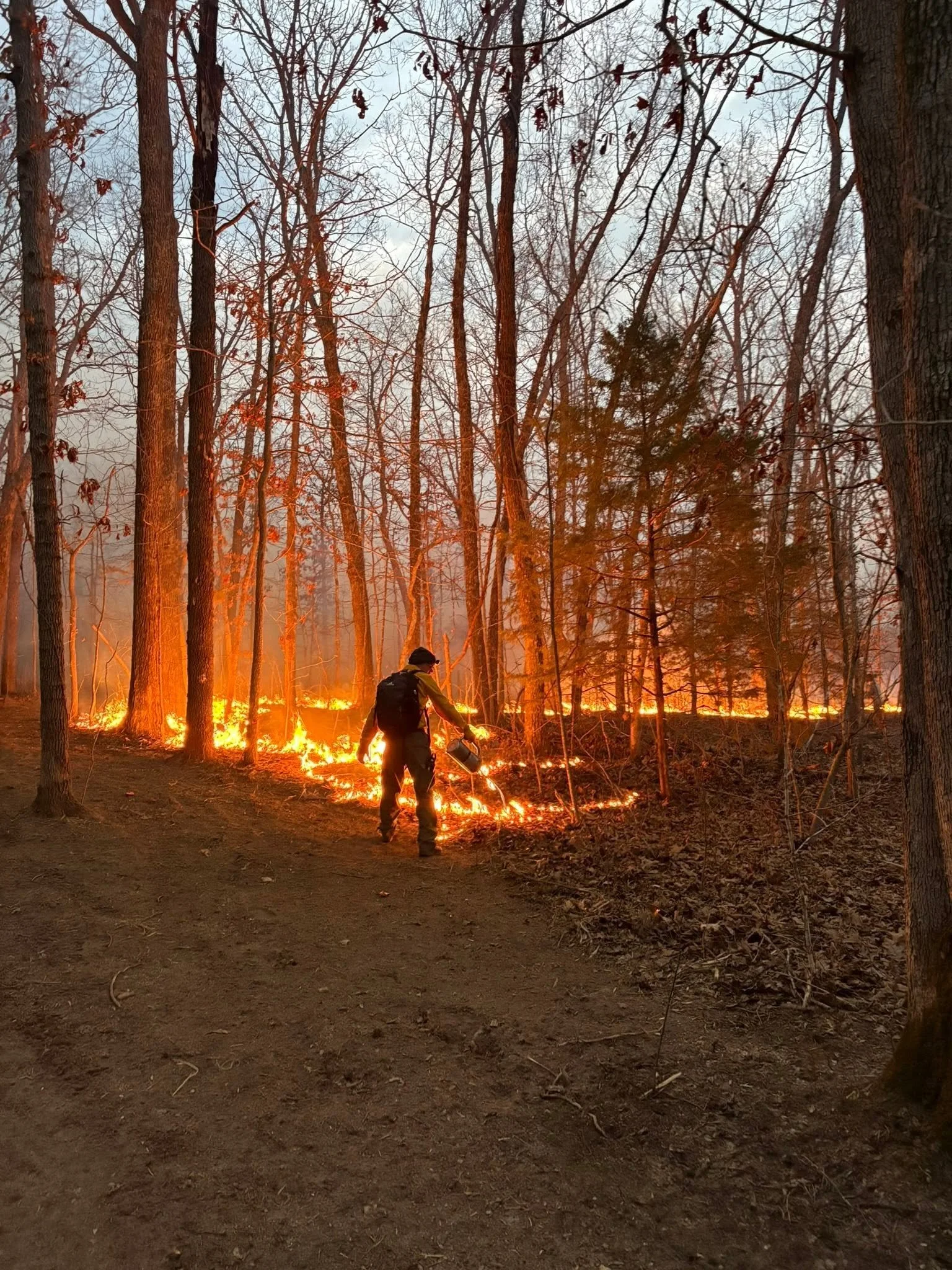
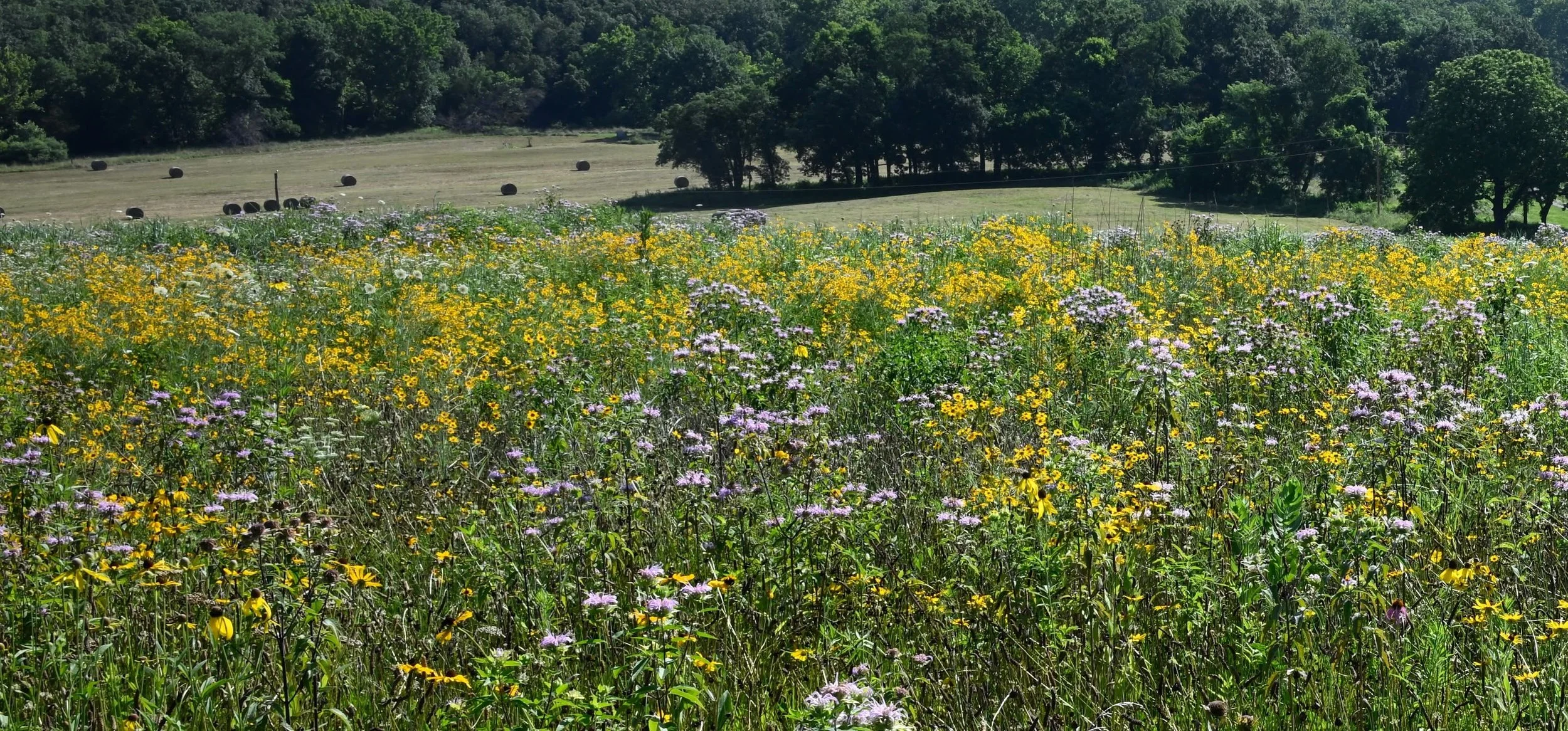
Fire is one of the oldest forces shaping the Ozark landscape, and the ecosystems here — oak-hickory woodland, native grassland, glade — evolved alongside it. Removing fire from the landscape doesn't make land safer or healthier; it changes what grows, what survives, and what disappears.
Prescribed fire, applied responsibly, supports:
- Native vegetation
— fire suppresses invasive species and favors the native plants adapted to this region
- Habitat diversity
— burns create the open ground, young growth, and structural variety many wildlife species depend on
- Food availability
— fire promotes the grasses, wildflowers, and seed-producing plants that support game and non-game species alike
- Reduced wildfire risk
— regularly burned land carries less accumulated fuel, which lowers the intensity of any future fire, planned or not
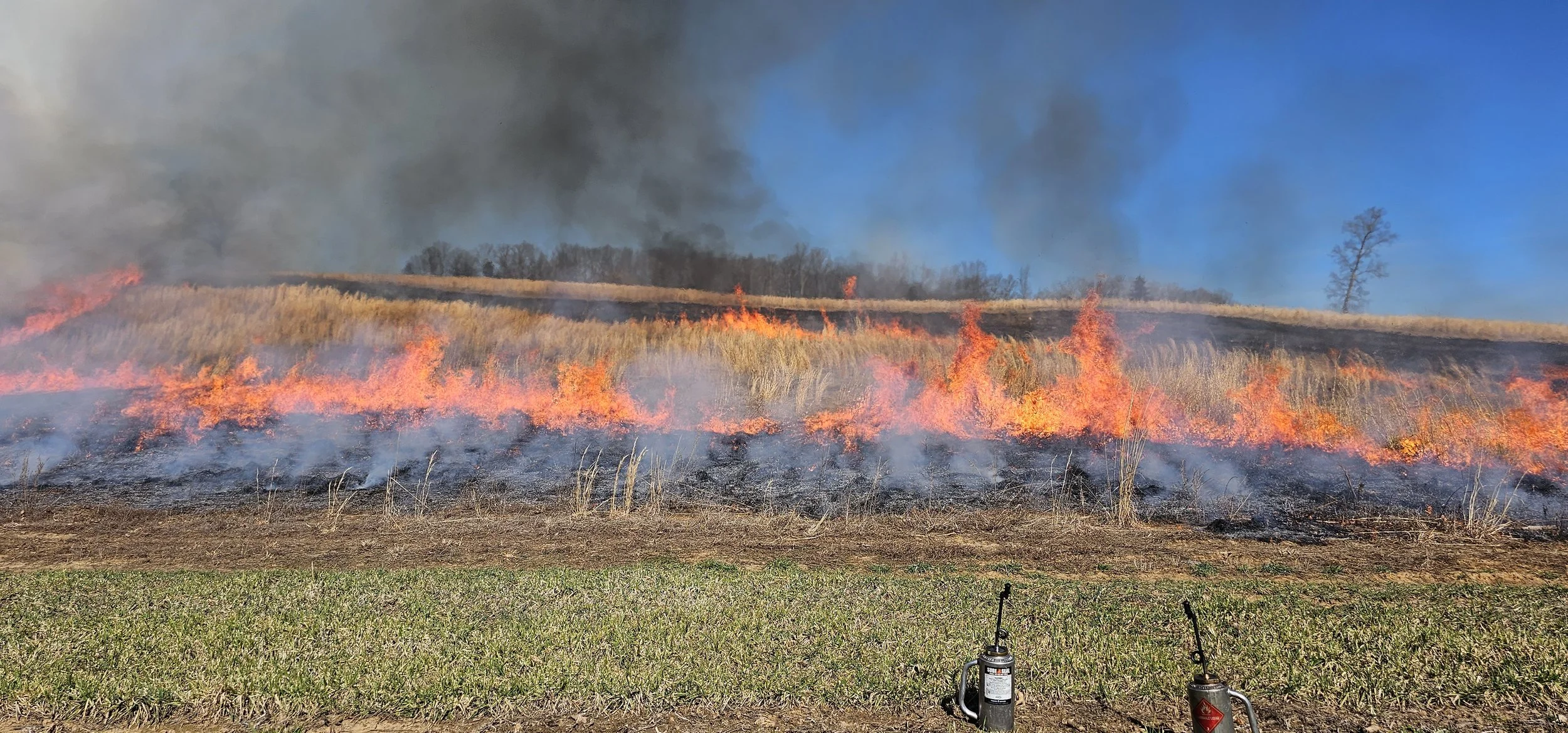
Every Landscape Responds Differently
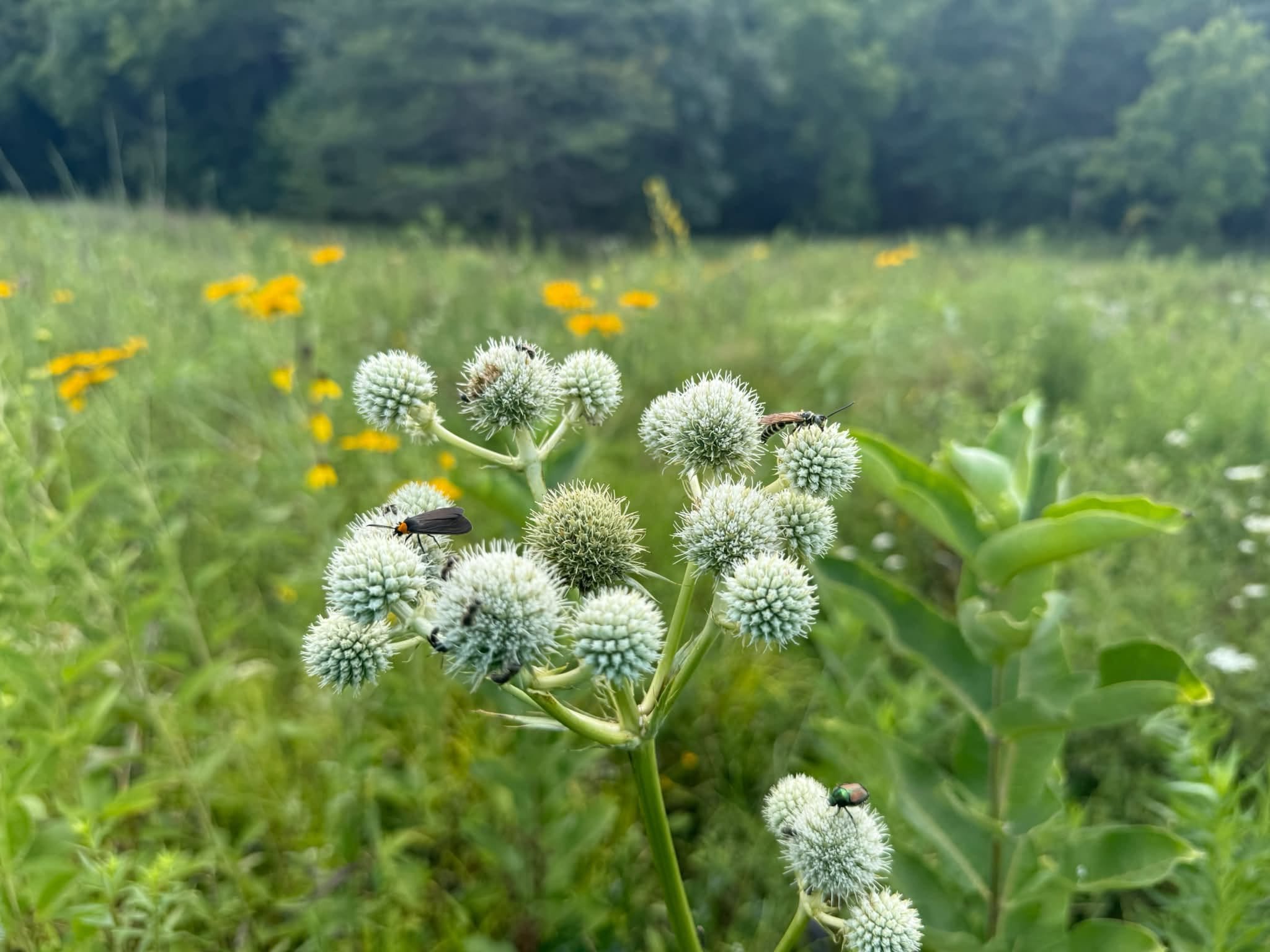
Fire doesn't produce the same result everywhere. What a given acre becomes depends on what's already growing there, the soil and terrain beneath it, and how long it's been since fire was last part of that system. UMPBA's own operational guidance reflects this — burn timing and technique both change by cover type:
- Grassland — timing shifts the outcome directly. Dormant-season burns and growing-season burns favor different grass species, so when a grassland is burned shapes what grows back as much as whether it's burned at all.
- Timber and woodland understory — fire here is generally cooler and slower, aimed at controlling understory fuel buildup and encouraging oak regeneration without damaging the mature canopy above it.
- Savanna and shrub — this in-between cover type, neither open grassland nor closed woodland, often needs the most deliberate management. Left unburned, savanna tends to close in toward denser woodland, losing the open structure that species like quail and turkey depend on.
What a specific piece of land is capable of becoming — a more open woodland, a restored native grassland, a working savanna — depends on its own history, soil, and current cover. That's not something a general page can answer; it's what a burn plan and a conversation are for. If you're not sure what your land could become under fire, that's a normal starting point, not a barrier.
The Legal Framework
The Missouri Prescribed Burning Act (RSMo 537.354), enacted in 2021, defines liability protections for landowners and Certified Prescribed Burn Managers who conduct burns responsibly. It doesn't require training or a written burn plan — but both are the clearest, most defensible way to demonstrate a burn was conducted with reasonable care. Full statute text: